In October, the Great Lakes Intertribal Harvest Gathering in Baraboo, WI, brought together nearly 200 attendees for two days for traditional hands-on learning — from making hominy, maple sugar, and black ash baskets to workshops about soil health and farm equipment safety. The event aimed to support Tribal food producers and facilitate intertribal collaboration to help rebuild a resilient intertribal food system in the Great Lakes region.
Expanding on 2024’s Indigenous Producer Academy, this year’s Intertribal Harvest Gathering offered a broad view of Indigenous food systems. The event was hosted on October 2-3, 2025 in Baraboo by the Ho-Chunk Nation Department of Agriculture in partnership with the Great Lakes Intertribal Food Coalition and the UW–Madison Indigenous Food Systems Resilience Project.
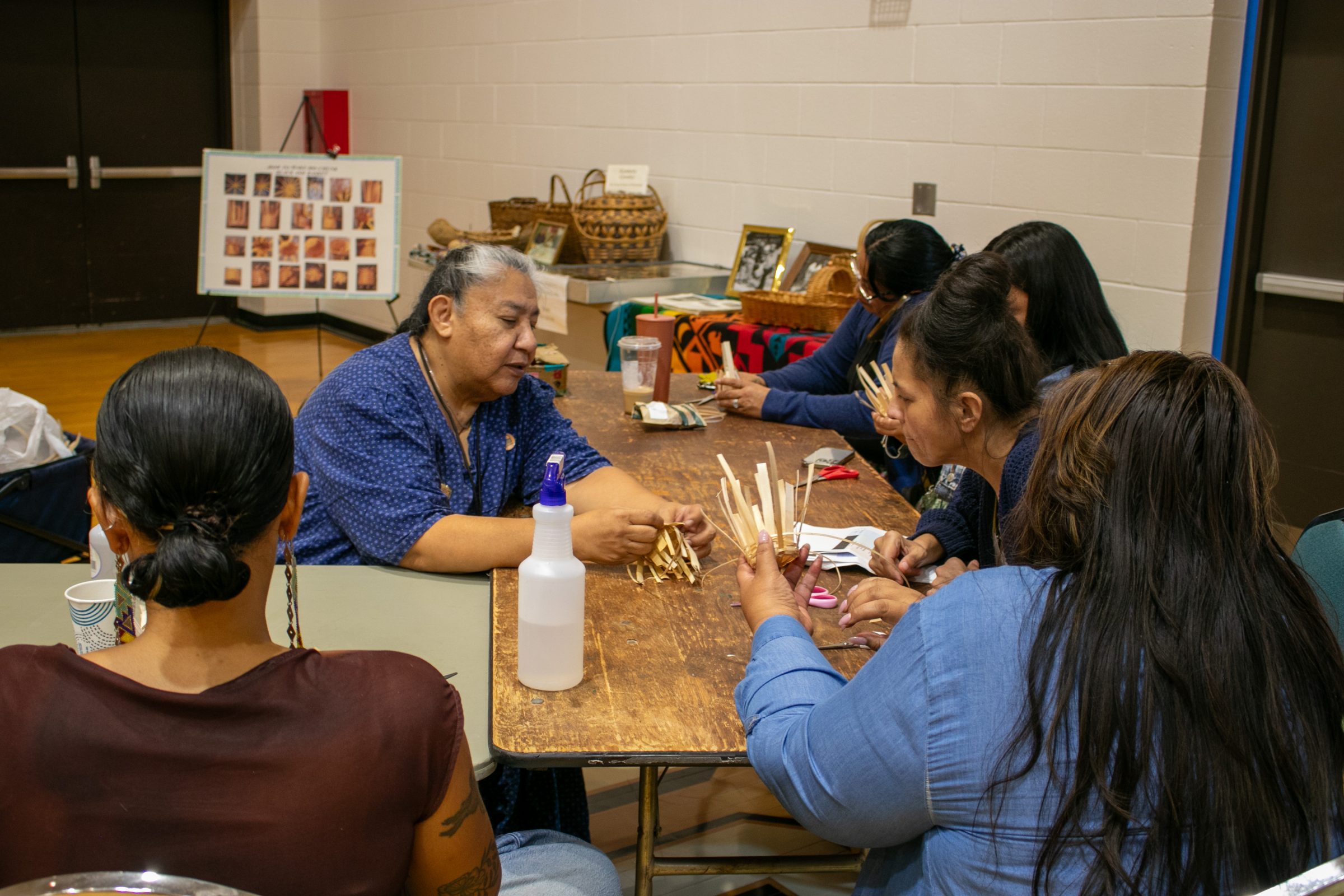
The event highlighted Indigenous food systems from the field to the outdoor kitchen to traditional crafts. Field sessions covered corn harvesting, corn braiding led by the Ohe·láku Cooperative, Indigenous seed saving and field walk led by Jessika Greendeer, cover crops, soil health, weed management practices, and equipment operation and safety. In the outdoor kitchen, participants learned hominy making from Vanessa Casillas, corn mortar making with Guy Reiter, clay pot cooking with Arlie Doxtator, making birchbark maple sugar cones with Wasanodae and Biskakone Johnson, and how to smoke meat with Elena Terry. In the Ho-Chunk House of Wellness gym, Kim Crowley led black ash basket making, Ashley Shawanda taught weed mat weaving, and Stephanie Muscavitch led clay pot making.
“The Intertribal Harvest Gathering was very well received by Ho-Chunk and other Tribal communities,” says Hinu Smith, Executive Director of the Ho-Chunk Department of Agriculture. “People were very inspired by all the different activities they were able to participate in. The Ho-Chunk Nation’s food sovereignty efforts are so important to our people, and because we offered these learning opportunities in a way that was very palatable, people were receptive and really enjoyed themselves.”
Part of the event was a half-day Indigenous Producer Academy, which aimed to provide technical assistance and build capacity and skills of Tribal food producers and Tribal staff. Sessions led by UW–Madison staff, faculty, students, and alumni covered many key topics.
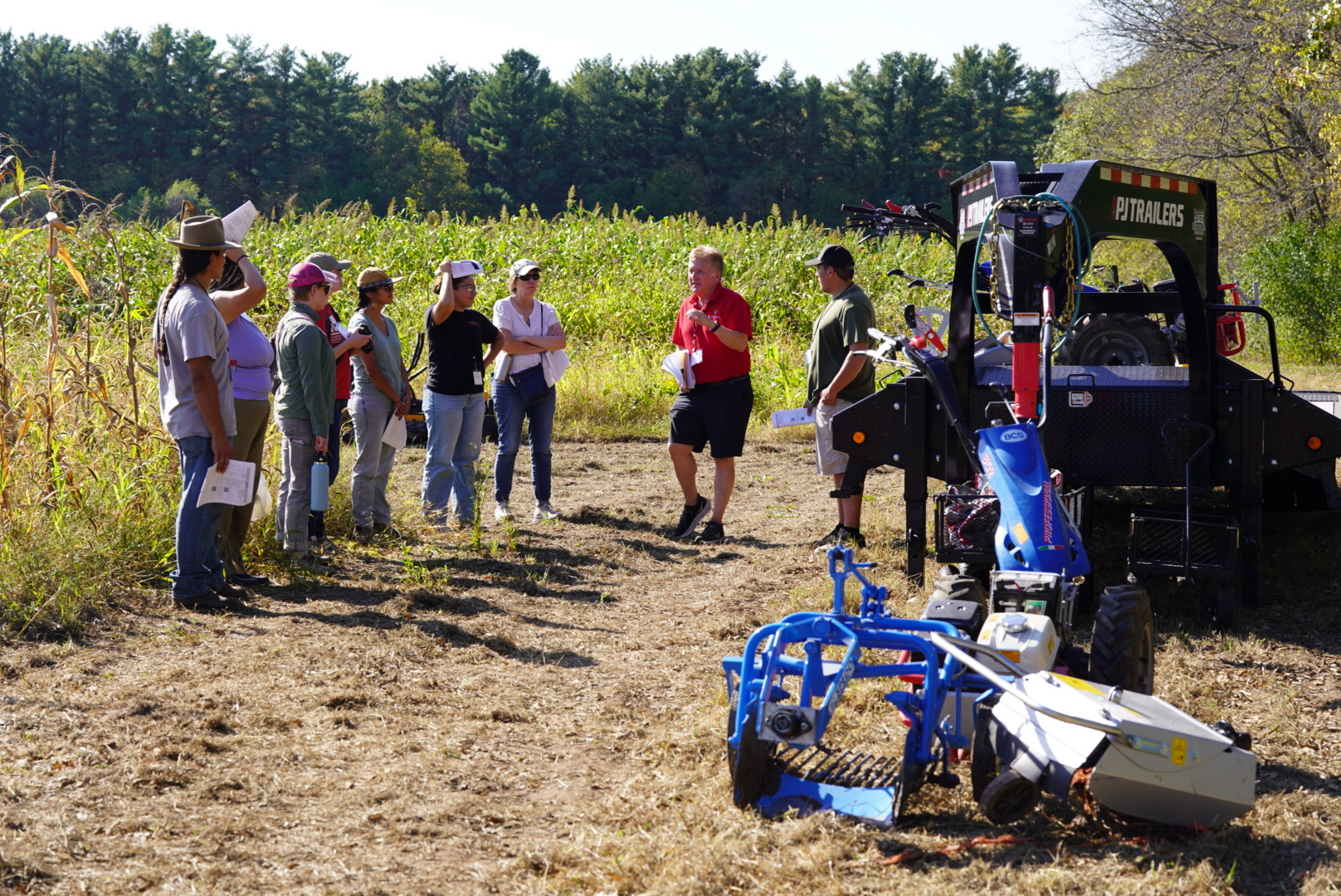

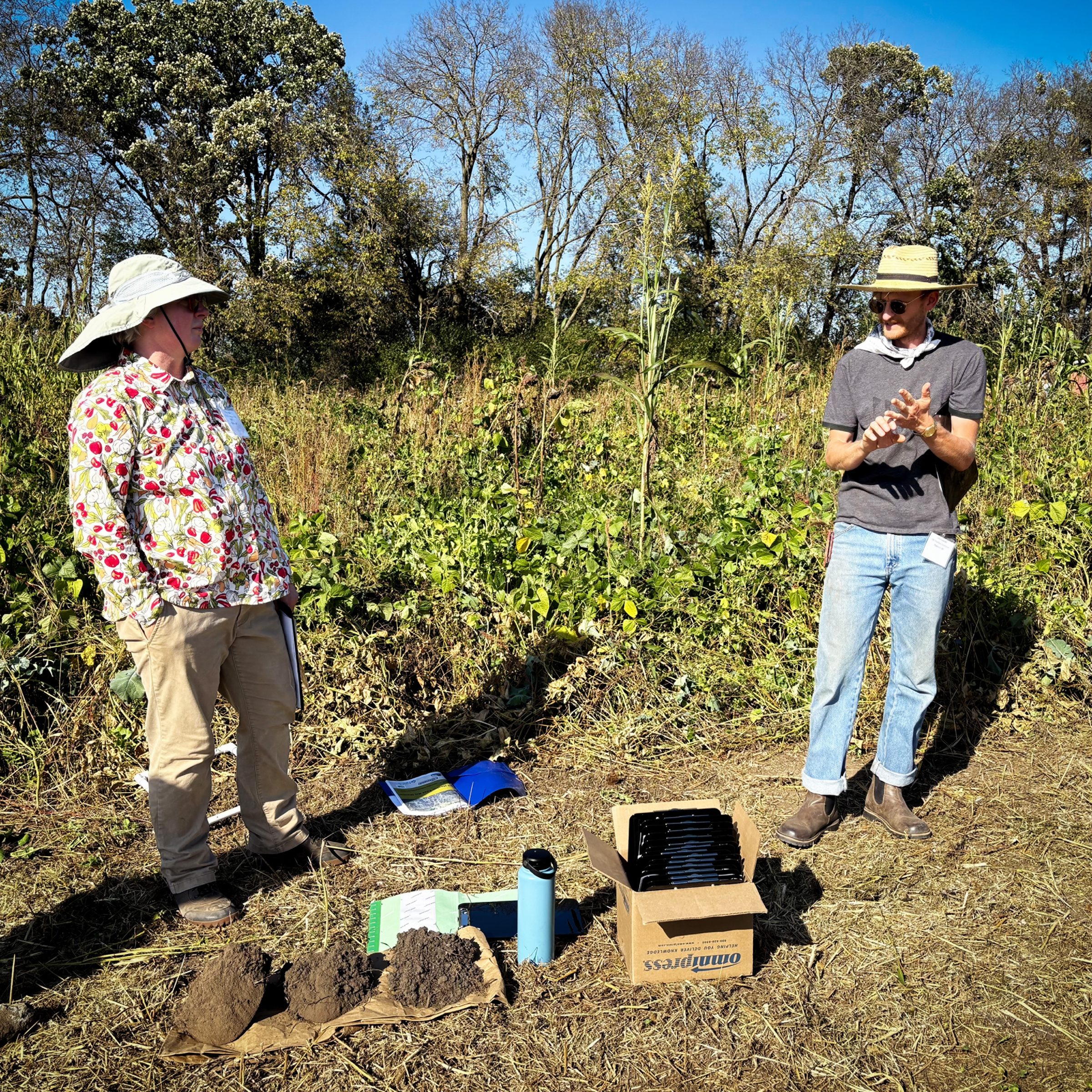
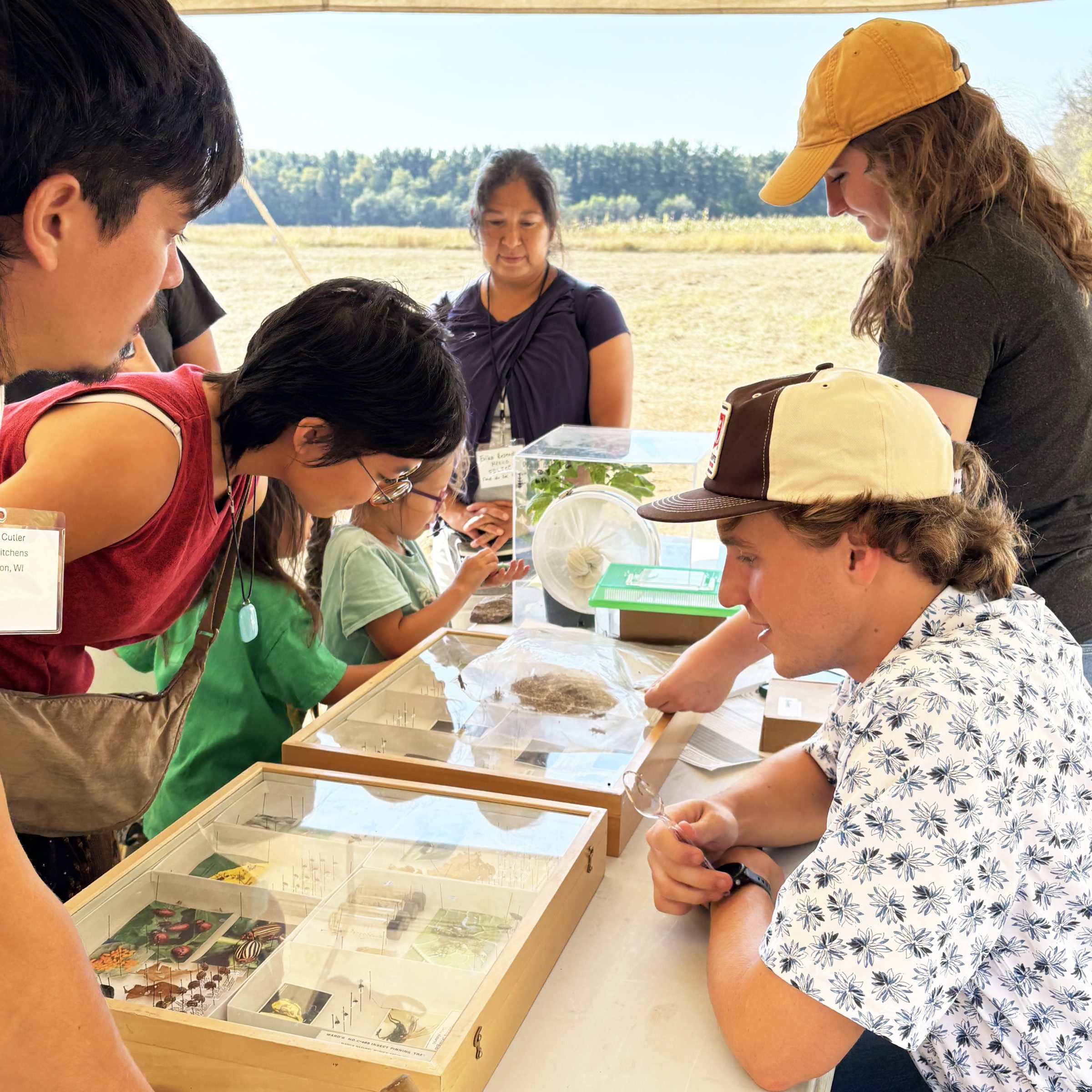
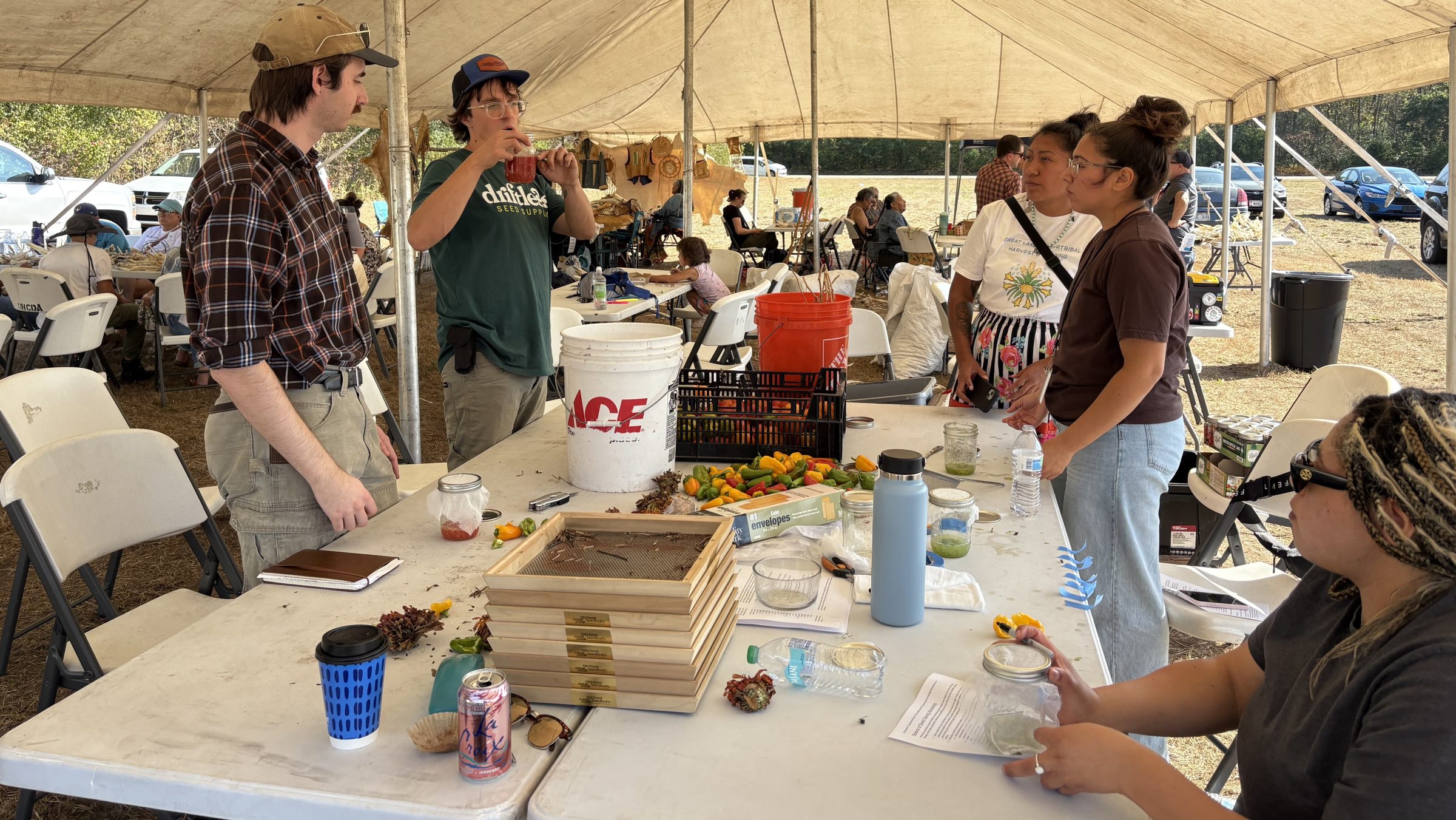
UW-Madison graduate student Paul Lema (Kichwa) gave a keynote address about his research collaboration with the Ho-Chunk Department of Agriculture and their shared understanding as Indigenous people who grow corn (see more photos from the College of Agriculture and Life Sciences here). Extension staff Rue Genger and Will Fulwider led a session on cover crops and soil health and demonstrated how to do soil tests. Biological Systems Engineering Professor John Shutske taught participants about agricultural equipment safety, focusing on small implements such as BCS walk behind tractors. Paul Lema and College of Agricultural & Life Sciences staff Dan Cornelius demonstrated different scales of equipment used for field cultivation, weed management, and harvesting corn. Extension staff Steph Garcia and Hanna McIntosh developed and shared a new resource about hand tools. Agroecology Program alum Dylan Bruce of Driftless Seed Supply led a workshop on vegetable seed saving. The Department of Entomology’s Insect Ambassadors taught participants about insects and brought cockroaches and caterpillars that were very popular with the kids.
Indigenous food systems go beyond agricultural fields, including maple sugaring, harvesting wild rice, hunting, fishing, and gathering. The Intertribal Harvest Gathering highlighted an intertribal collaboration led by the Menominee Department of Agriculture and Food Systems around maple sap tubing systems. Menominee staff member DJ Micik brought the Department’s maple tubing trailer to demonstrate how to install maple sap tubing. The purchase of this trailer was supported by a USDA Specialty Crop Block Grant through the Wisconsin Department of Agriculture, Trade, and Consumer Protection and will benefit the development of Tribal sugar producers.
The event provided a key opportunity to bring Tribal communities, educators, and producers together in one space to celebrate Indigenous food traditions, learn new skills, and cultivate a resilient intertribal food system for the future.